-
Pays:Madagascar
-
-
Statut:Completed project
CONTEXT
The Greater South of Madagascar is regularly hit by acute food crises, particularly in the Androy region, where the poverty rate stands at 97 percent. The semi-arid climate, low rainfall, dry winds, and recurring droughts cause long-term damage to production systems. The soils, which are highly susceptible to erosion, are losing their fertility, limiting the ability of farms to meet households’ food needs and potentially leading to episodes of “kere,” which is synonymous with extreme hunger.
Compounding these environmental constraints are the isolation of these areas and the lack of access to safe drinking water, which further increase the vulnerability of the populations. Local governments have limited resources to plan sustainable actions to promote food security.
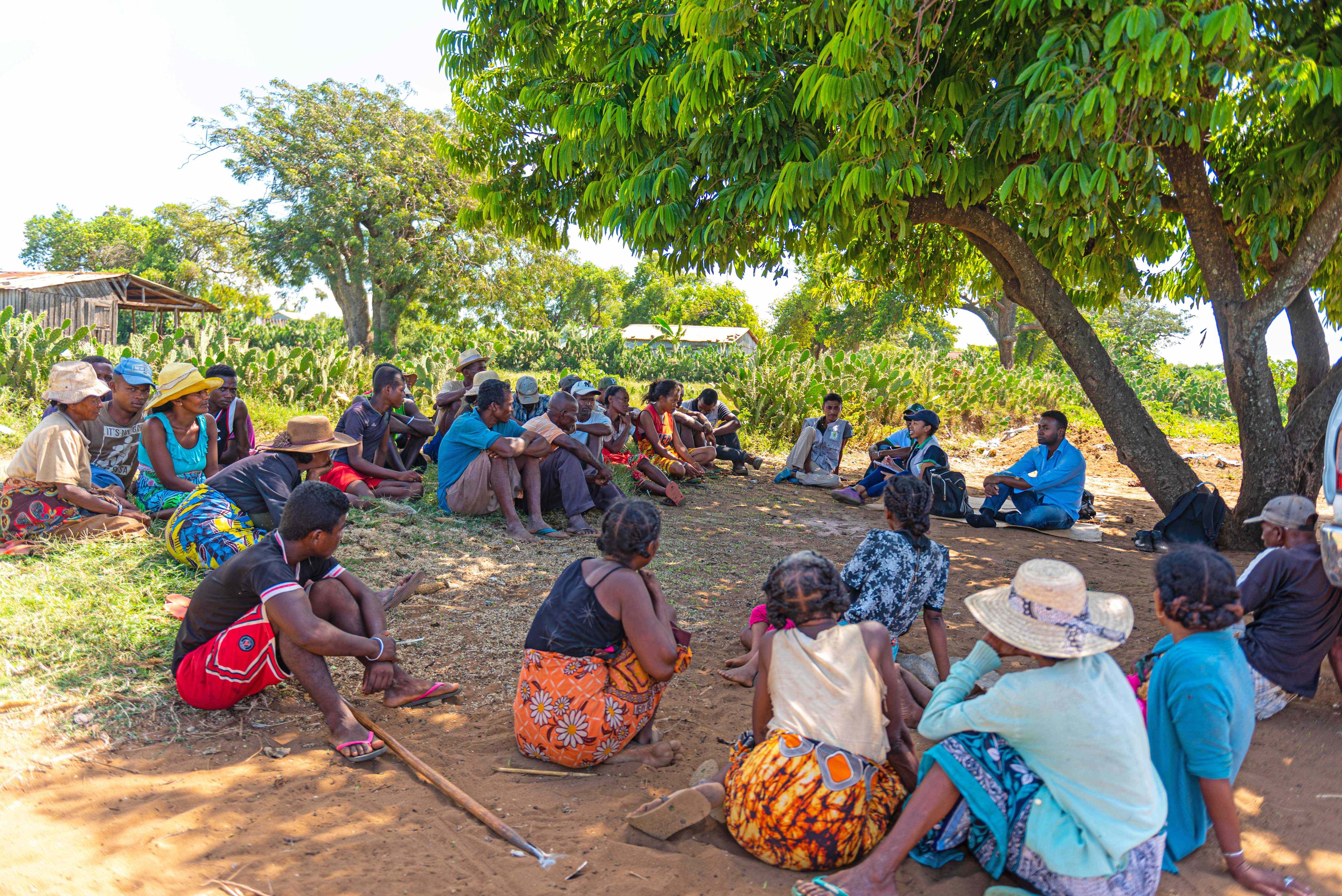
The project aims to support three rural municipalities in the Androy region in developing local initiatives to strengthen food self-sufficiency, through cooperation between Malagasy and French local governments and development organizations active in the area.
OBJECTIVE
- Build the capacity of three rural communities in the Androy region to design and lead their local projects aimed at achieving food self-sufficiency
- Work collaboratively with the municipalities to develop a framework for cooperation and skills transfer to identify priority agricultural issues and develop local sustainable agriculture projects
- Mobilize and support all local stakeholders in implementing the actions resulting from the territorial projects, while ensuring regular monitoring of progress
- Evaluate the communities’ progress in planning and managing agricultural and food projects, build on the approach, and disseminate the lessons learned at the regional level
RESULTS
- Three rural communities have an up-to-date agricultural assessment and a shared vision of the local challenges related to food self-sufficiency
- Municipal teams (elected officials and technical staff) have strengthened their capacity for analysis, planning, and management of agricultural and food projects
- Priority actions are being implemented in each municipality, engaging farmers, livestock producers, and local stakeholders in adapted agroecological practices
- Pilot sites are being developed and promoted to demonstrate the impact of sustainable agricultural and livestock practices at the municipal level
- The lessons learned from the initiative (methods, tools, feedback) are documented and shared, promoting the spread of regional approaches to climate change adaptation
KEY PROJECT INFORMATIONS
|
Duration |
3 years (January 2023 – December 2025) |
|
Beneficiaries |
3 municipalities |
|
Budget |
32,000 € (Agrisud component) |
|
Project Manager |
Cités Unies France |
|
Financial partners |
Ministry of Foreign Affairs and Europe, Nouvelle-Aquitaine Region, Ille-et-Vilaine Department, Mayotte Department, City of Mamoutzou |
|
Implementing partners |
Agrisud, Southern Agroecological Technical Center, Gret |
LEARN MORE
Watch the three short videos that highlight key aspects of the project.
Episode 1 – How Can We Build a Food Initiative That Truly Meets the Needs of a Region?
In this first episode, discover how elected officials, farmers, technicians, and residents came together to analyze the agricultural and food challenges facing their community. Through a process of consultation, training, and shared assessment, they identified priorities and developed an action plan tailored to their specific circumstances.
Episode 2 – How Can We Turn an Action Plan Into Tangible Changes for Communities?
This second episode takes you to the heart of the RécapAlimentaire project’s implementation. Through a co-management framework that brings together local governments, community organizations, and residents, discover how concrete initiatives are taking shape and gradually helping to strengthen food security in the region.
Episode 3 – What Lessons Can We Learn from This Experience?
In this final episode, the project participants reflect on the results achieved, the challenges encountered, and the factors that drove progress. They also discuss the essential conditions for strengthening regional autonomy and ensuring the sustainability of the initiatives undertaken.